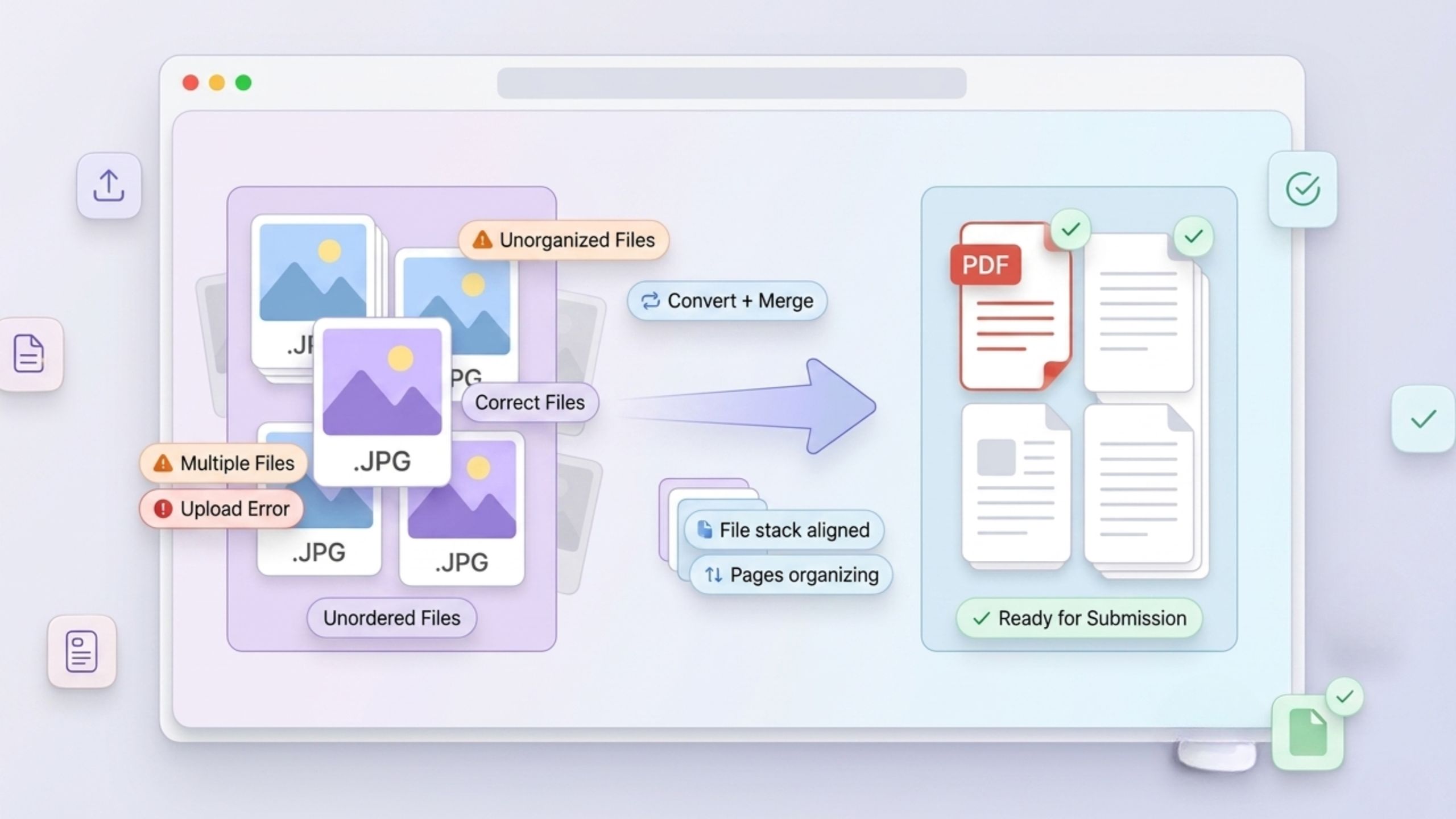
Why Iran targeted Amazon’s data centers — and what that truly changes (and doesn’t) about modern warfare.
Why Iran targeted Amazon’s data centers: analysis of the March 1 strikes and what it means — and doesn’t mean — for modern warfare
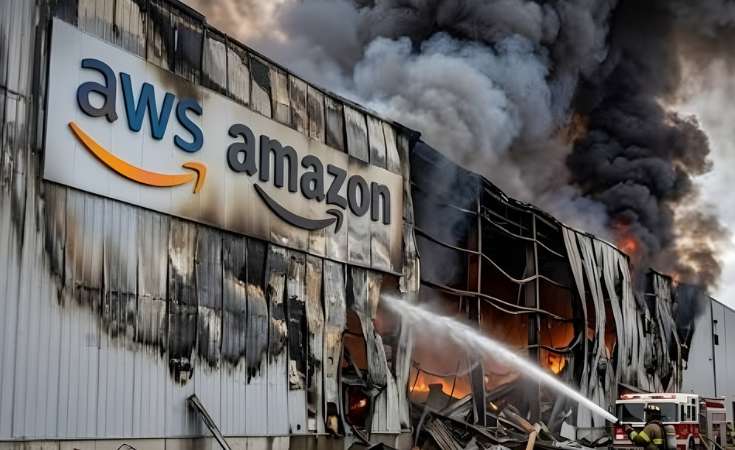
Before dawn on March 1, 2026, Iranian Shahed drones struck multiple Amazon Web Services (AWS) data centers in the United Arab Emirates, with another commercial facility in Bahrain also hit amid broader conflict in the region. This marked the first time a nation deliberately targeted commercial data centers during wartime, underscoring how critical digital infrastructure has become amid modern military and geopolitical tensions.
Iran’s state media later announced plans to target several U.S. tech companies, including Microsoft, Google, Apple, Meta, Oracle, Intel, HP, IBM, Cisco, Dell, Palantir, and Nvidia — signalling Tehran’s intention to broaden its focus to key tech infrastructure. Reports suggested additional strikes on AWS infrastructure in Bahrain and claims of attacks on an Oracle data center in Dubai.
While this is the first widely confirmed physical attack on hyperscale commercial cloud facilities, data centers have long been targets of cyberattacks and espionage — such as when Ukrainian hackers destroyed a Russian military‑linked data center in 2024 — but the Persian Gulf strikes were unique in being kinetic drone attacks that caused structural damage and service disruption.
The growing strategic value of data infrastructure reflects broader shifts in the digital age: artificial intelligence and cloud systems play a significant supporting role in military planning, communication and economic operations. Some analysts suggest Iran’s strikes may be aimed at infrastructure it believes supports U.S. military and intelligence capabilities, even if these facilities are commercial and not explicitly military.
In my experience studying how technology influences international security, these strikes don’t signal a radical change in the nature of warfare, but they do highlight that data centers and digital infrastructure are now seen as legitimate targets in conflict, even if they don’t directly support combat operations.
Table of Contents
Data centers and the cloud — Why Iran targeted Amazon’s data centers and what it shows about modern war
As military forces increasingly adopt advanced AI capabilities, data centers and cloud infrastructure have become central to how modern militaries operate. The United States military, for example, uses cutting‑edge AI models like Anthropic’s Claude for intelligence analysis and decision support — not on battlefield hardware, but hosted on commercial cloud platforms such as Amazon Web Services (AWS). These cloud environments often house secure government data and essential software tools that support missions ranging from strategic planning to operational execution.
Commercial data centers are where the cloud lives. Whether you’re streaming Netflix or processing financial transactions, most digital activity relies on servers housed in these facilities. When AWS data centers go offline, it can disrupt entertainment, news services, banking, and even government operations.
With AI becoming a major driver of economic and military power, data centers have emerged as critical infrastructure. They support not only consumer technology and business software but also the backbone of internet services and AI‑driven systems. When Iran struck data centers in the United Arab Emirates, the attacks didn’t just damage buildings — they caused widespread disruption to local banking systems, cloud services, and digital networks.
Commercial data centers now enable much of the technology that runs the modern world, including AI tools that can influence the outcomes of military and intelligence operations. This means disrupting these centers can hinder both societal functions and military capabilities. That is part of the explanation behind why Iran targeted Amazon’s data centers — Tehran may view digital infrastructure linked to U.S. technology dominance and cloud‑based AI as strategic assets worth hitting amid broader regional conflict.
Given that AWS and other global cloud providers operate many of the commercial data centers where the internet and AI “live,” it’s increasingly likely that these facilities will continue to be targeted in conflict zones. As nations expand their use of cloud computing and artificial intelligence, the vulnerability of data centers — and the impact of attacks on them — is becoming an unavoidable reality in 21st‑century warfare.
Going after U.S. allies — Why Iran targeted Amazon’s data centers
On March 12, 2026, researchers at Just Security noted that the U.S. requires cloud service providers to store government and military data within the country or on Department of Defense bases. Moving sensitive data to Amazon data centers in the Gulf would require special authorization, which is unclear if it was granted.
Despite this, Iran’s Islamic Revolutionary Guard Corps claimed its strikes targeted data centers supporting “the enemy’s” military and intelligence operations. Ten days after the initial attacks, an Iranian news agency declared that major tech company data centers and other physical assets in the region were considered “enemy technology infrastructure.”
However, the attacks may have been symbolic or economic in nature, aimed at rattling the global economy and drawing attention to the Gulf, a major hub of U.S. technological investment and AI infrastructure. By striking commercial data centers, Iran may have sought to challenge U.S.-Gulf cooperation while signaling the growing importance of AI and cloud systems in the region.
Growing importance, easy targets
Although data centers play a critical role in national security, economic stability, and societal functions, it is too early to say these attacks fundamentally change warfare. Iran launched thousands of missiles and drones at the UAE and Bahrain. While most were intercepted, four data centers were hit — a small fraction of the civilian targets struck, which included airports and hotels.
The relative vulnerability of commercial data centers — large, fragile structures without dedicated air defenses — suggests they were targets of opportunity rather than high-value military objectives.
Still, as AI and cloud computing become increasingly central to government, economic, and military operations worldwide, commercial data centers are likely to remain key targets in future conflicts, highlighting why Iran targeted Amazon’s data centers in the first place.
Conclusion
The March 2026 strikes highlight why Iran targeted Amazon’s data centers: these commercial facilities host critical AI and cloud infrastructure that supports military operations, economic systems, and essential societal services. While the attacks do not fundamentally change the nature of modern warfare, they emphasize the vulnerability of commercial data centers and their growing strategic importance.
As reliance on AI and cloud computing continues to grow worldwide, such infrastructure is likely to remain a target in future conflicts. Understanding why Iran targeted Amazon’s data centers underscores the need for stronger security measures and awareness of the evolving role of technology in global security and geopolitics.