Free AI Text to Speech Converter: Convert Text to Natural Audio Online (2026 Guide)
A Free AI Text to Speech Converter makes it easy to transform written content into clear, lifelike audio within seconds. Whether you want to convert blog posts, emails, presentations, or video scripts, modern AI tools can generate Natural sounding voices that feel engaging and realistic.
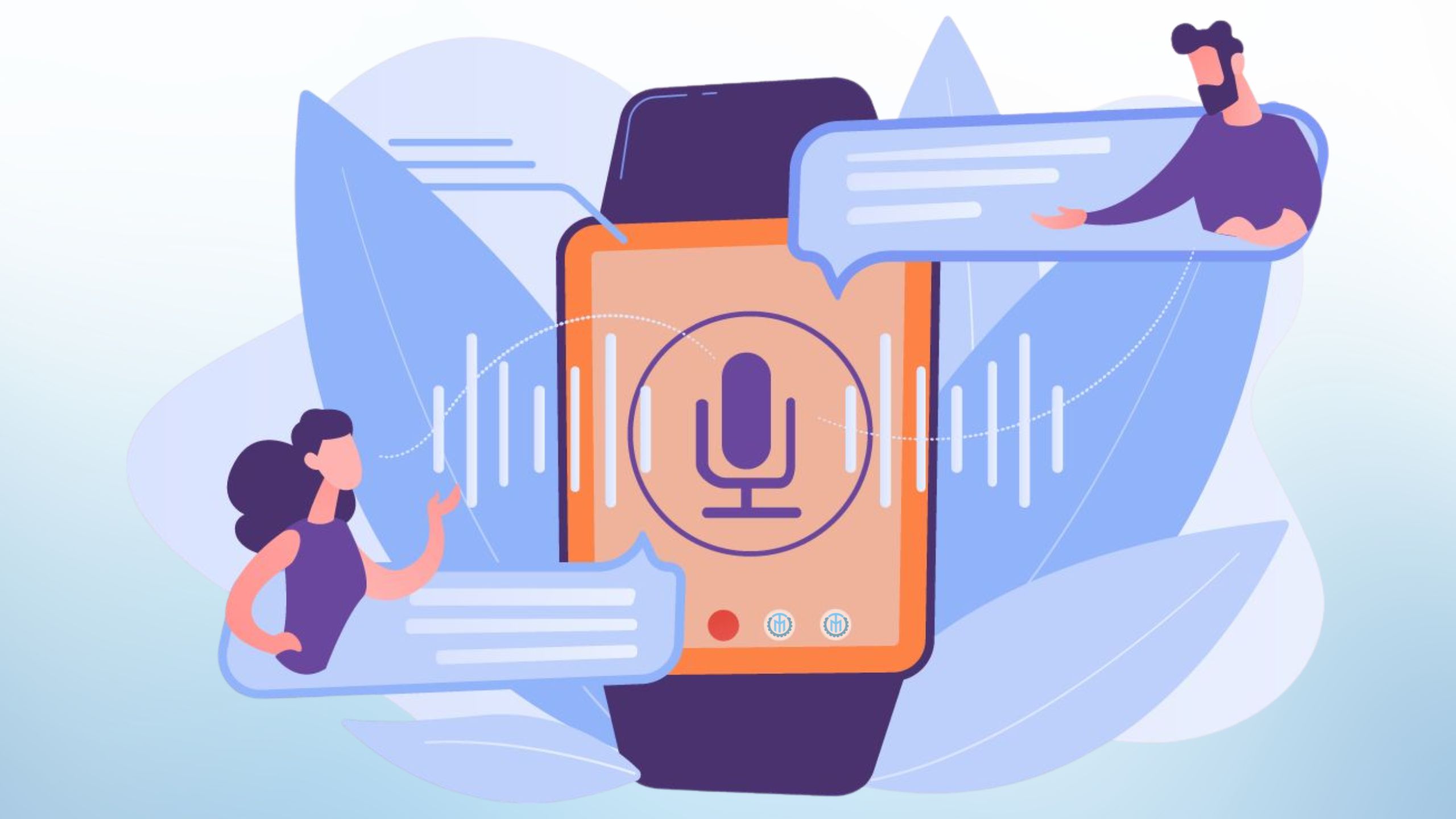
Powered by advanced voice technology, these platforms use Voice synthesis and intelligent language processing to create high-quality AI generated audio without the need for expensive microphones or recording studios. In 2026, creators, educators, businesses, and students increasingly rely on these tools for faster Audio content creation and professional narration. As a result, producing natural speech from text has become simpler, faster, and more accessible than ever before.
Key Takeaways
| Feature | Benefit |
|---|---|
| AI Text-to-Speech | Converts text into realistic speech |
| Multiple Languages | Reach global audiences |
| Natural Voices | Improve listener engagement |
| Fast Processing | Generate audio in seconds |
| Free Tools Available | No large investment required |
| Commercial Use Options | Suitable for creators and businesses |
Table of Contents
What Is AI Text-to-Speech (TTS)?
Modern AI text-to-speech technology is no longer limited to robotic computer voices. Today’s systems use Artificial Intelligence, Natural Language Processing (NLP), Machine Learning, and advanced Language Models to transform written text into highly realistic spoken audio. A quality Text to Speech Tool understands sentence structure, punctuation, tone, and emphasis before producing AI generated audio that closely resembles natural conversation.
Think of it like having a professional narrator available whenever you need one. Instead of spending hours recording voiceovers, you can simply type your content and generate Natural AI Voices within seconds. This innovation has made Audio Content Creation faster, cheaper, and more accessible than ever before.
Many organizations now use AI speech solutions for training materials, customer support, marketing campaigns, and educational content. As Human-like Voice Technology continues to evolve, listeners often struggle to distinguish between human narration and sophisticated Speech Synthesis systems.
The growing popularity of AI Voice Generator platforms reflects a major shift in digital communication. Businesses want scalable content. Creators need speed. Users expect accessibility. AI text-to-speech addresses all three challenges while maintaining impressive voice quality.
How AI Voice Technology Works
At its core, AI voice generation follows a sophisticated process. The system first performs Text Analysis using Natural Language Processing (NLP). It examines grammar, punctuation, context, and sentence structure. After that, powerful Neural Networks and Machine Learning models interpret how the content should sound when spoken.
Next comes Voice synthesis. During this stage, a specialized Speech engine converts written words into speech patterns. Modern systems leverage Speech Synthesis Technology, Context Awareness, and Human Speech Patterns to determine pauses, emphasis, pacing, and pronunciation. The final result is Digital voice generation that sounds surprisingly authentic.
AI Text-to-Speech vs Traditional TTS
Traditional text-to-speech relied on basic rules and pre-recorded sound fragments. While functional, those systems often produced flat and robotic speech. Modern AI-powered solutions use Neural Text to Speech technology to create expressive voices with emotion, rhythm, and natural delivery.
The difference becomes obvious during long listening sessions. Traditional TTS often sounds mechanical. AI-driven platforms generate Realistic AI voices, improved Pronunciation Accuracy, and smoother transitions between words. This creates a more engaging experience for listeners and significantly improves comprehension.
| Feature | Traditional TTS | Modern AI TTS |
|---|---|---|
| Voice Quality | Robotic | Natural |
| Pronunciation | Basic | Context Aware |
| Languages | Limited | Extensive |
| Emotional Tone | Minimal | Human-like |
| Customization | Low | Advanced |
| Commercial Use | Limited | Widely Available |
How to Convert Text to Speech Online for Free
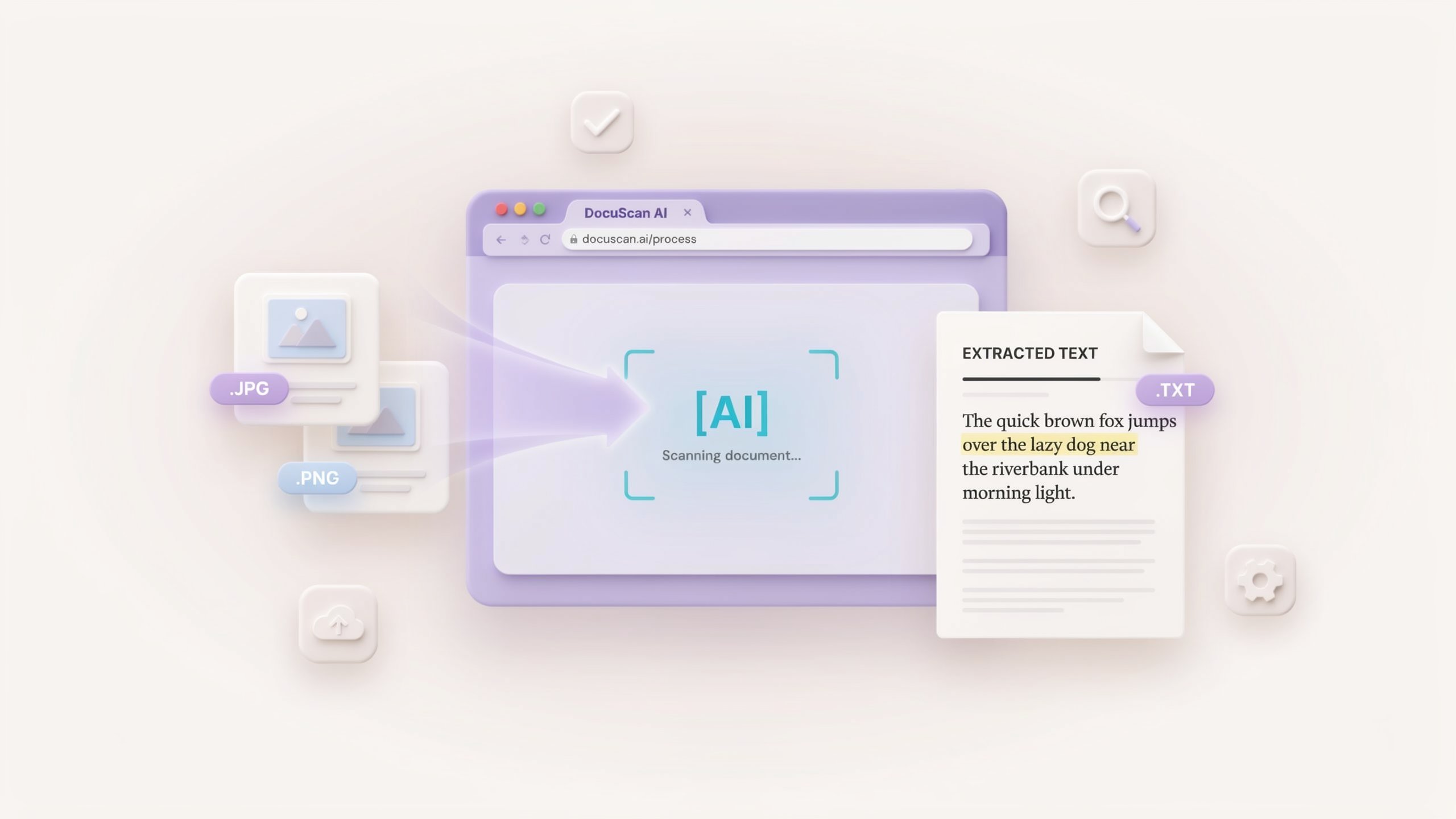
Creating professional audio no longer requires a recording studio. Most free AI tools follow a simple workflow. You enter your text, select a voice, generate the audio, and download the final file. The entire process often takes less than a minute for short content.
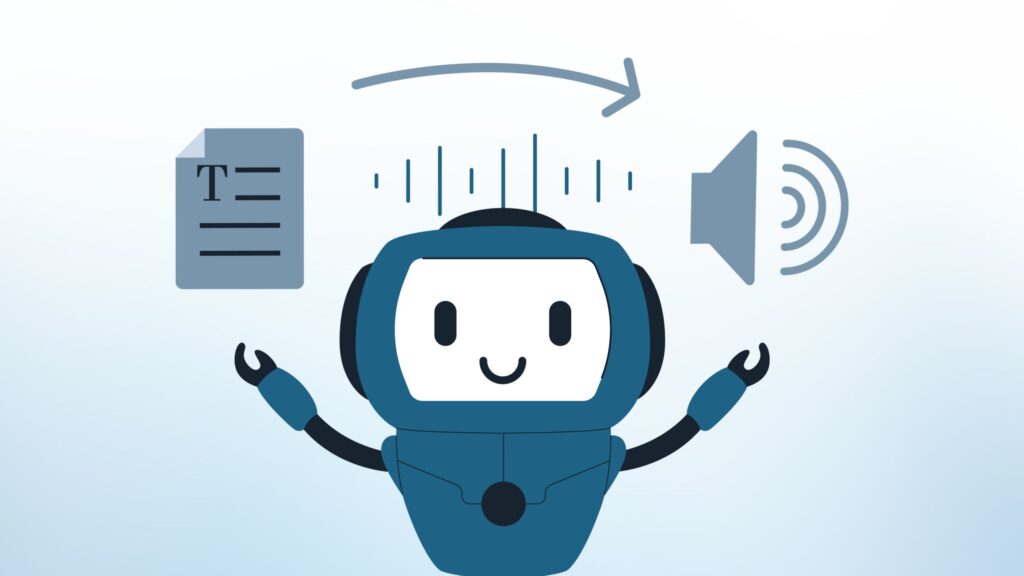
What makes modern tools remarkable is their simplicity. You do not need technical skills or expensive software. A browser, internet connection, and your written content are usually enough to begin producing Audio narration, Automated voiceover, and professional-quality spoken content.
For creators who publish regularly, this workflow dramatically reduces production time. A blog post can become a podcast. A video script can become a narration track. Training materials can become spoken lessons. The flexibility of a modern Text to Audio Converter opens countless opportunities.
The convenience of cloud-based Audio generation software also means updates happen automatically. New voices, better processing, and improved language support become available without requiring software installation.
Enter or Paste Your Text
Everything begins with your content. Most platforms allow you to type directly into an editor or paste existing material. Articles, scripts, marketing copy, training documents, and presentations can all be converted into speech.
For best results, write as if you are speaking to a real person. Short sentences improve clarity. Clear punctuation improves pacing. This helps the AI produce smoother Speech conversion and more natural sounding delivery.
Select a Voice and Language
After entering your text, the next step is selecting a voice. Most tools provide a range of male and female voices, accents, speaking styles, and language options. Some platforms even offer celebrity-inspired voices or professional narrator styles.
The ability to customize voices is where modern AI excels. Advanced systems support Voice customization, Multilingual Text to Speech, regional accents, and various emotional tones. This flexibility allows you to create content that feels tailored to specific audiences.
Generate and Download Audio
Once your settings are configured, the AI processes your content and generates the final audio. This stage involves Audio Processing, Voice production, and optimization for natural speech delivery.
Most tools export MP3 or WAV files, making them suitable for podcasts, YouTube videos, online courses, and presentations. The speed of modern AI Audio Generator platforms means you can move from written text to downloadable audio in seconds.
Why Free AI Text to Speech converter Is More Popular Than Ever in 2026
AI voice technology has experienced explosive growth because it solves real-world challenges. Content creators need faster workflows. Businesses want scalable communication. Educators require engaging learning materials. AI text-to-speech provides practical solutions for all three groups.
The technology has also become significantly more affordable. What once required expensive software and professional voice talent can now be accomplished through a browser-based Online voice converter. This accessibility has encouraged widespread adoption across industries.
Another reason for its popularity is quality. Early synthetic voices sounded artificial and repetitive. Modern Human-like voices leverage Conversational AI, Voice Recognition, and advanced neural processing to create far more authentic experiences.
As remote work, online learning, and digital media continue expanding, demand for scalable Audio Production solutions will likely grow even further.
Content Creation Growth
Content creators publish more material today than ever before. Blogs, podcasts, YouTube channels, social media videos, and online courses all require audio. AI solutions make Voiceover creation dramatically faster.
A creator can write a script in the morning and publish a fully narrated video by the afternoon. This speed allows individuals and businesses to compete without hiring full production teams.
Accessibility and Inclusion
Accessibility is one of the most important benefits of AI speech technology. People with visual impairments, reading difficulties, or learning disabilities often rely on audio content to access information.
Modern Accessibility Technology helps make websites, educational materials, and business content more inclusive. AI-generated speech allows organizations to serve wider audiences while meeting accessibility goals.
Multilingual Communication
Global audiences expect content in their preferred language. AI text-to-speech platforms now support dozens of languages and regional accents, making international communication easier than ever.
Businesses can localize training materials, marketing campaigns, and customer support content without hiring separate voice actors for every language. This efficiency has transformed global Audio Content Creation strategies.
Types of AI Text-to-Speech Tools Explained
Not all text-to-speech tools are designed for the same purpose. Some focus on simplicity for beginners, while others provide developer integrations, enterprise solutions, or advanced voice replication capabilities.
Understanding the available categories helps you choose the right platform. Your ideal solution depends on your goals, budget, technical skills, and content requirements.
The market now includes browser-based tools, APIs, desktop applications, and specialized Voice Cloning systems. Each category offers unique strengths and limitations.
Selecting the right option can significantly improve workflow efficiency, output quality, and scalability for future projects.
Online Browser-Based Tools
Browser-based platforms are the easiest entry point for most users. They require no installation and provide immediate access to Natural sounding voices, AI Narration, and quick audio generation features.
These tools are particularly popular among content creators, marketers, educators, and small businesses that need fast results without technical complexity.
API-Based TTS Solutions
Developers often require automation. API-based solutions allow applications and websites to generate speech programmatically using cloud infrastructure.
These systems power virtual assistants, customer service platforms, mobile applications, and enterprise communication tools. They offer flexibility and scalability that browser-based tools cannot match.
Desktop and Offline Software
Offline solutions appeal to users who prioritize privacy, security, or local processing. Since the software runs directly on a computer, sensitive information remains under local control.
Many organizations prefer desktop-based Audio generation software for internal communications, confidential projects, and environments with limited internet connectivity.
AI Voice Cloning Platforms
One of the most advanced developments in the industry is Voice Cloning. These platforms can learn speech characteristics from voice samples and create highly personalized synthetic voices.
Powered by Neural Networks, Speech Synthesis Technology, and sophisticated modeling techniques, voice cloning represents the next frontier of Human-like Voice Technology. Businesses, creators, and educators increasingly use these tools to maintain consistent brand voices across multiple forms of content.
Best Free AI Text to Speech Tools in 2026
The market for AI voice technology has expanded rapidly over the last few years. Today, users can find dozens of platforms offering free text-to-speech services with impressive voice quality and language support. The best tools combine ease of use, realistic speech output, and flexible export options. Whether you need a quick voiceover or large-scale Audio Content Creation, choosing the right platform can save both time and money.
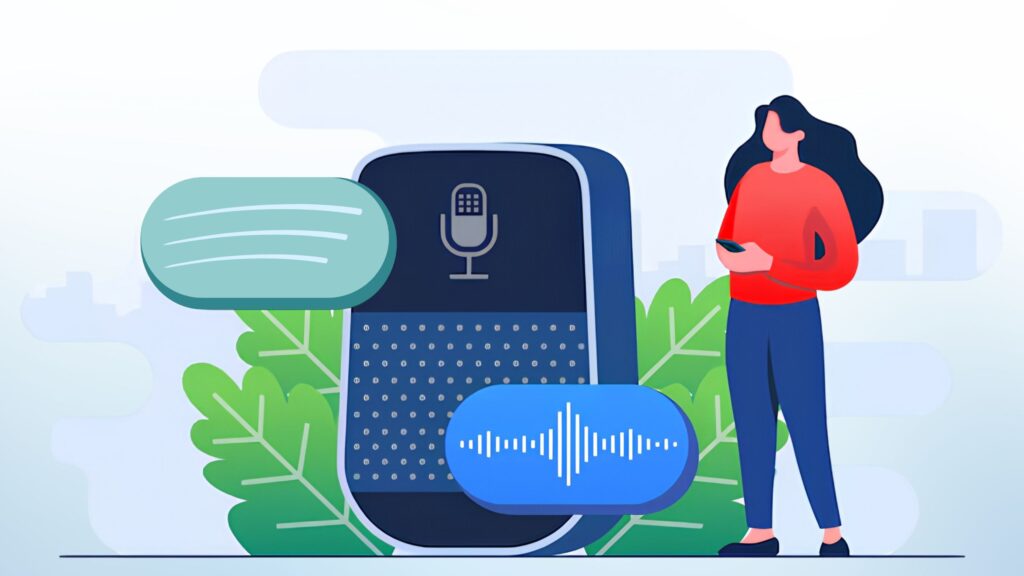
What separates leading solutions from average ones is their ability to produce Natural sounding voices while maintaining strong Pronunciation Accuracy and smooth delivery. Many modern tools use advanced Speech Synthesis Technology and Machine Learning models to create speech that feels natural and engaging instead of robotic or repetitive.
| Tool Type | Best For | Key Advantage |
|---|---|---|
| Browser-Based Tools | Beginners | No installation required |
| AI Voice Platforms | Creators | High-quality narration |
| Developer APIs | Automation | Scalable integration |
| Enterprise Solutions | Businesses | Advanced customization |
Best for Beginners
If you are just starting, simplicity matters most. Beginner-friendly tools offer intuitive interfaces that allow you to paste text, select a voice, and generate speech within seconds. Most require little to no technical knowledge, making them ideal for students, educators, and casual users.
The biggest advantage is accessibility. New users can experiment with AI Voice Generator technology without investing money upfront. This makes it easier to understand how Speech conversion works before moving to more advanced platforms.
Best for Content Creators
Content creators often need consistent voiceovers for YouTube videos, social media content, tutorials, and presentations. The best creator-focused platforms deliver Realistic AI voices, customizable narration styles, and reliable export options for various content formats.
High-quality narration can significantly improve audience retention. Many successful creators now use Automated voiceover systems because they reduce production time while maintaining professional audio standards across multiple projects.
Best for Developers
Developers require flexibility and automation rather than simple user interfaces. API-based solutions allow applications, websites, and software platforms to generate speech automatically using cloud-based infrastructure.
These systems often utilize advanced Artificial Intelligence, Language Models, and Audio Processing technologies to generate speech dynamically. This approach is ideal for chatbots, customer support systems, mobile apps, and enterprise communication tools.
Best for Commercial Use
Businesses need more than quality voices. They also require licensing rights, scalability, and reliability. Commercial-grade platforms often provide premium voices, higher processing limits, and advanced Voice customization features.
Organizations use these solutions for training materials, marketing campaigns, customer service messages, and internal communications. The ability to create professional AI generated audio at scale makes them a valuable business asset.
How to Choose the Best AI Voice Generator
Choosing the right platform can feel overwhelming because there are so many options available. However, focusing on a few key factors can simplify the process. Voice quality, language support, licensing terms, and export flexibility are often the most important considerations.
The best platform depends on your goals. A YouTuber may prioritize voice realism. A developer may focus on API access. A business may need strong commercial licensing. Understanding your specific needs helps narrow the choices quickly.
Voice Quality
Voice quality remains the most important factor when selecting an AI Voice Generator. Listeners respond better to speech that sounds natural and expressive. Modern systems use Neural Networks, Human Speech Patterns, and advanced Speech Synthesis techniques to create realistic narration.
Premium platforms often offer Natural AI Voices that include emotional variation, natural pauses, and context-aware delivery. These features improve engagement and make content easier to consume.
Language Support
Global audiences expect localized experiences. A strong platform should support multiple languages, regional accents, and dialects. This flexibility allows businesses and creators to expand their reach without hiring separate voice actors.
Many leading tools now offer Multilingual Text to Speech capabilities powered by sophisticated Conversational AI systems. These technologies help maintain natural pronunciation across different languages.
Download Formats
Audio format support plays a major role in content production workflows. Most platforms provide MP3 downloads, while premium services may include WAV and other high-quality formats.
Choosing the right format depends on your intended use. Podcasts and professional productions often benefit from higher-quality files, while social media content may work perfectly with compressed formats.
Commercial Licensing
Before publishing content, you should review licensing terms carefully. Some platforms allow unrestricted commercial use while others impose limitations on monetized projects.
This is particularly important for businesses, marketers, and YouTube creators. Clear licensing ensures that your Audio Production efforts remain compliant and protected from future disputes.
Character Limits and Usage Restrictions
Free plans often include limitations on the amount of text you can process. These restrictions help providers manage resources while still allowing users to experience the technology.
If you regularly produce large amounts of content, it may be worth choosing a platform with generous limits or affordable upgrades. This ensures uninterrupted workflow and consistent Audio file generation.
Practical Uses of AI Text to Speech
AI voice technology has evolved far beyond simple reading tools. Today it powers content creation, education, marketing, accessibility solutions, and business communications. The versatility of modern Text to Audio Converter platforms makes them useful across nearly every industry.
The real value lies in efficiency. Tasks that once required recording equipment, editing software, and professional voice talent can now be completed through a browser in minutes. This shift has transformed the way people approach digital communication.
YouTube Voiceovers
YouTube creators frequently use AI narration to streamline video production. Instead of recording every script manually, creators can generate high-quality voiceovers using Human-like Voice Technology and publish content faster.
This approach is especially popular among educational channels, explainer videos, technology reviews, and faceless content brands that require consistent narration.
Audiobooks and Narration
Audiobook production traditionally required significant time and budget. AI voice tools have changed that process by making Audio narration faster and more affordable.
Authors, publishers, and educators can now convert written material into engaging listening experiences using advanced Digital voice generation technology.
E-Learning Courses
Online education continues to grow rapidly. Students often absorb information more effectively when lessons include audio explanations alongside written content.
Modern AI solutions help instructors create professional course narration while reducing production costs. This makes educational content more engaging and accessible.
Podcasts
Many podcast creators now use AI-generated voices for introductions, summaries, news updates, and supplemental content. The quality of modern Neural voices allows AI narration to blend naturally into podcast workflows.
This flexibility enables creators to publish content more consistently while reducing recording and editing time.
Marketing and Advertisements
Marketing teams use AI voice tools to create product demos, promotional videos, advertisements, and sales presentations. Fast content production allows brands to test multiple campaign variations without expensive recording sessions.
This agility gives businesses a competitive advantage in fast-moving digital markets where speed often determines success.
Accessibility for Visually Impaired Users
One of the most valuable applications of AI speech technology is accessibility. High-quality narration helps visually impaired users consume digital content independently.
Advanced Accessibility Technology ensures websites, educational resources, and business materials are available to wider audiences. This creates a more inclusive online experience while meeting accessibility standards.
Free vs Paid AI Text to Speech Tools
Many users wonder whether free tools are sufficient or if paid plans offer meaningful advantages. The answer depends on how frequently you create content and the level of quality you require.
Free tools are excellent for testing, learning, and occasional projects. Paid platforms become valuable when you need higher usage limits, premium voices, advanced customization, and enterprise-level features.
Features Comparison
| Feature | Free Tools | Paid Tools |
|---|---|---|
| Basic Voice Generation | Yes | Yes |
| Premium Voices | Limited | Extensive |
| Commercial Use | Varies | Usually Included |
| Voice Cloning | Rare | Common |
| API Access | Limited | Advanced |
| Usage Limits | Restricted | Higher Limits |
Voice Quality Differences
The biggest distinction between free and paid solutions is voice realism. Premium services invest heavily in Neural Text to Speech technology and advanced Voice synthesis models.
As a result, paid voices often sound more expressive, natural, and emotionally aware. This difference becomes especially noticeable in long-form content.
Commercial Usage Rights
Licensing terms vary significantly between providers. Some free plans allow monetized content while others impose restrictions on commercial distribution.
Businesses and professional creators should always verify usage rights before publishing content generated by an AI Audio Generator platform.
Which Option Is Right for You?
If you create content occasionally, free tools often provide everything you need. They allow you to experiment with Voiceover Generator technology without financial commitment.
However, if you publish content regularly, manage business communications, or require advanced Voice Cloning capabilities, investing in a premium solution can deliver better quality, greater flexibility, and long-term value.
Common Challenges and Limitations of Free AI Voice Generators
Free AI voice tools offer incredible value, but they are not perfect. While they make Audio Content Creation faster and more affordable, users may encounter restrictions that affect large projects. Understanding these limitations helps you choose the right platform and avoid unexpected issues during production.
Most free services balance accessibility with resource management. This means you may experience limits on characters, available voices, export quality, or advanced features. Fortunately, many of these challenges can be managed with proper planning and the right workflow.
Character Limits
One of the most common restrictions involves character limits. Free plans often cap the amount of text you can convert at one time. This works well for short scripts and articles, but larger projects such as audiobooks may require splitting content into smaller sections.
For content creators producing frequent videos or educational materials, character limits can slow production. However, many platforms offer generous allowances that remain suitable for personal and small business use.
Watermarks and Branding
Some free tools include branding within their platforms or restrict access to premium export features. While the audio itself may remain usable, advanced editing options and premium enhancements are sometimes reserved for paid subscribers.
This limitation rarely affects casual users. However, businesses seeking polished and fully customized Voice production may eventually need premium plans for maximum flexibility.
Limited Voice Selection
Voice variety can differ significantly between providers. Free plans typically offer fewer Human-like voices and fewer accent options compared to paid subscriptions.
If your content targets diverse audiences, limited voice selection may reduce personalization opportunities. Premium plans often unlock additional Natural AI Voices, regional accents, and enhanced Voice customization capabilities.
Usage Restrictions
Many providers place restrictions on API access, commercial projects, or daily usage quotas. These policies help maintain service quality while managing server resources.
Before launching a business campaign or monetized project, always review licensing terms carefully. Understanding platform rules ensures your AI generated audio remains compliant and legally usable.
Getting Started With Free AI Text To Speech Today
Starting with AI voice technology is easier than most people expect. You do not need expensive equipment, recording expertise, or advanced technical skills. Modern platforms are designed for beginners while still offering powerful features for professionals.
The best approach is to start small. Experiment with short scripts, test different voices, and learn how punctuation affects speech delivery. Within minutes, you can create professional-quality narration suitable for videos, presentations, courses, and podcasts.
Beginner Checklist
Before generating your first audio file, choose a reliable platform, prepare a clear script, select a suitable voice, review the output, and make adjustments as needed. This simple process helps ensure smooth results and higher-quality narration.
As you gain experience, you can explore advanced features such as Voice Cloning, custom voice settings, and enhanced Speech Synthesis options that improve realism and engagement.
Best Practices for Natural Sounding Audio
The secret to realistic narration begins with good writing. Use short sentences, clear punctuation, and conversational language. Modern systems powered by Artificial Intelligence, Neural Networks, and Human Speech Patterns perform best when the text flows naturally.
It is also helpful to test multiple voices before finalizing a project. Even small changes in tone, pacing, or speaking style can dramatically improve listener engagement and overall audio quality.
Limited Voice Selection
Voice variety can differ significantly between providers. Free plans typically offer fewer Human-like voices and fewer accent options compared to paid subscriptions.
If your content targets diverse audiences, limited voice selection may reduce personalization opportunities. Premium plans often unlock additional Natural AI Voices, regional accents, and enhanced Voice customization capabilities.
Usage Restrictions
Many providers place restrictions on API access, commercial projects, or daily usage quotas. These policies help maintain service quality while managing server resources.
Before launching a business campaign or monetized project, always review licensing terms carefully. Understanding platform rules ensures your AI generated audio remains compliant and legally usable.
FQAs - About AI Text To Speech
How can I convert text to speech for free?
You can use a Free AI text To Speech platform by entering your text, selecting a voice, and generating audio. Most browser-based tools require no software installation and allow instant Speech conversion directly online.
What is the best free AI voice generator?
The best tool depends on your needs. Beginners often prefer simple browser-based solutions, while creators and businesses may prioritize voice quality, language support, and commercial licensing when selecting an AI Voice Generator.
Can I use AI-generated voices for YouTube monetization?
Many platforms allow commercial use, including YouTube monetization. However, licensing policies vary between providers, so always review terms before publishing monetized content.
Does Free AI Text To Speech Converter support multiple languages?
Yes. Most modern platforms offer Multilingual Text to Speech functionality with support for dozens of languages and regional accents. Advanced systems use Language Models and Context Awareness to improve pronunciation quality.
What audio formats can I download?
Most services support MP3 downloads. Premium plans may also provide WAV and additional professional formats suitable for advanced editing and Audio Production workflows.
Is Free AI text to speech converter safe to use?
Reputable providers implement security measures and privacy protections. When handling sensitive information, choose trusted platforms and review their privacy policies before uploading content.
Conclusion & Final Verdict: Free Ai Text To Speech
AI voice technology has transformed the way people create and consume content. A modern Free AI Text to Speech Converter allows anyone to turn written text into professional audio without expensive equipment, recording studios, or technical expertise. Thanks to advances in Artificial Intelligence, Speech Synthesis Technology, Machine Learning, and Audio Processing, today’s tools can generate remarkably realistic speech in just a few seconds.
Whether you need narration for YouTube videos, online courses, podcasts, marketing campaigns, or accessibility purposes, AI-powered solutions provide a fast and cost-effective path to success. As AI Narration, Voiceover Generator, and AI Audio Generator technologies continue to improve, creating high-quality audio will become even more accessible. The best time to start exploring the power of AI text-to-speech is right now.