QR Code Marketing Strategy: Drive More Leads and Sales in 2026
QR Code Marketing Strategy has become one of the smartest ways for businesses to attract customers and increase sales in 2026. A simple scan can instantly connect people to websites, offers, videos, and online stores, making it easier than ever to turn interest into action. As smartphones continue to dominate daily life, companies are using QR code campaigns to create seamless customer experiences across both physical and digital channels.
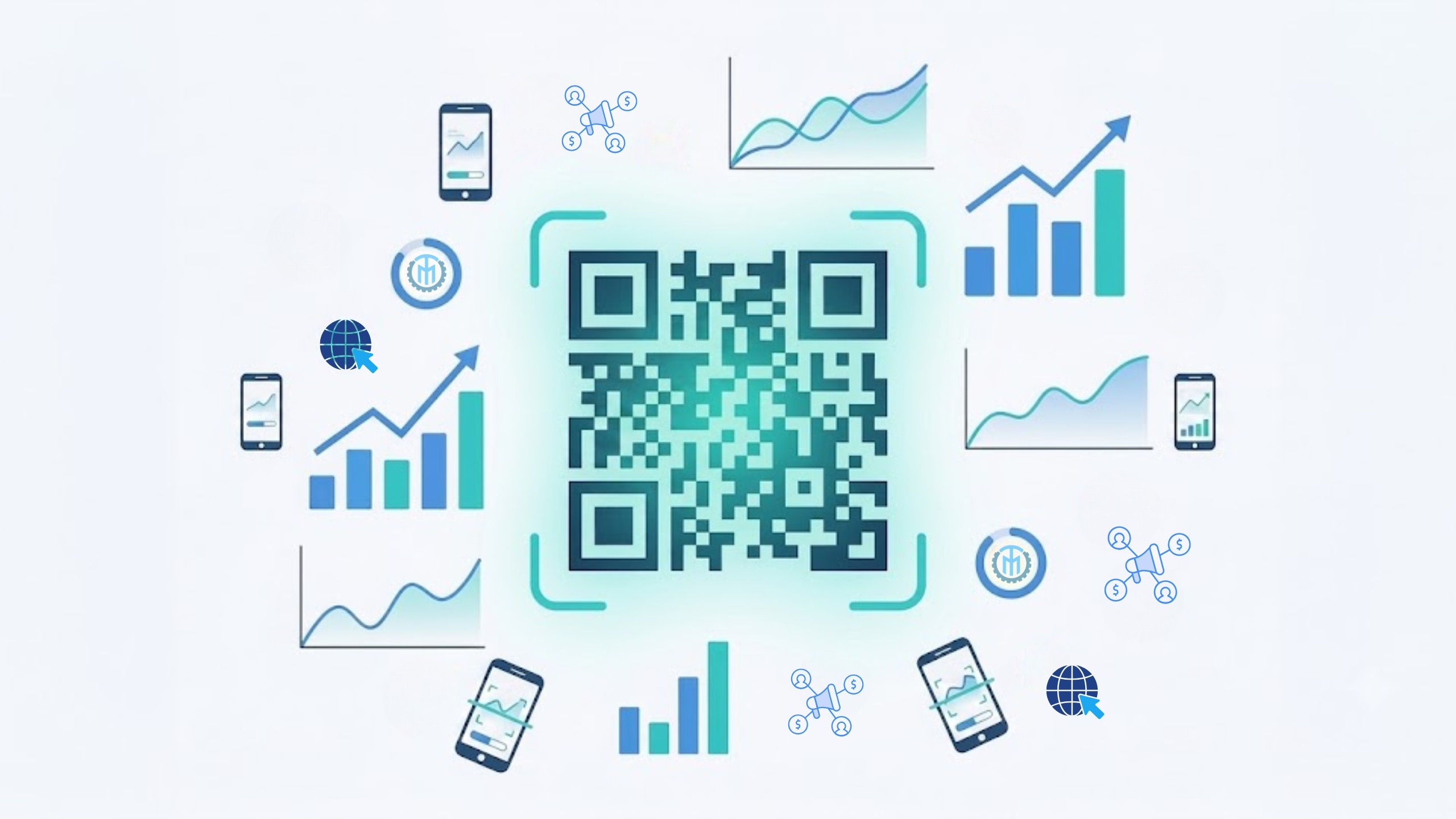
From product packaging to social media promotions, QR codes help strengthen customer engagement, improve brand awareness, and support effective digital marketing efforts. Businesses that implement a strong QR code strategy can also benefit from better lead generation, measurable performance data, and higher conversion opportunities.
Table of Contents
What Is QR Code Marketing?
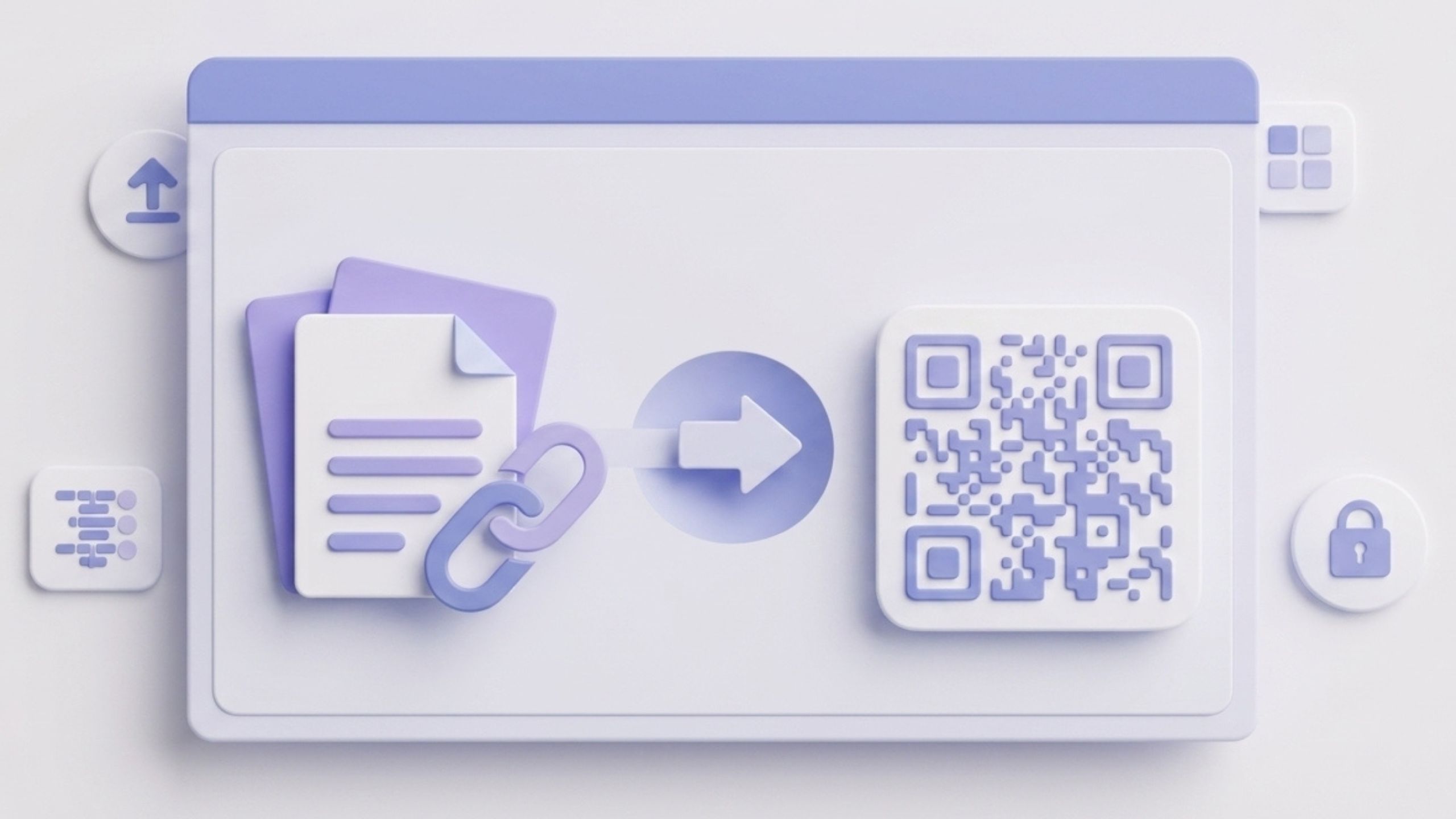
QR Code Marketing Strategy is the practice of using QR codes to promote products, services, websites, events, and digital experiences. When users scan a QR code with their smartphone camera, they are instantly directed to a landing page, offer, video, form, or online store. This approach removes friction from the customer journey and makes engagement effortless.
Unlike traditional advertising, QR codes create direct action. Modern businesses use QR code Marketing Strategy as part of their broader digital marketing efforts. These campaigns help improve customer engagement, simplify contactless marketing, and support a complete digital customer journey from discovery to conversion.
Why QR Code Marketing Is Growing in 2026
Consumer behavior has changed dramatically during the past few years. Mobile devices now dominate online activity. People prefer quick interactions rather than typing long URLs. As a result, businesses increasingly rely on mobile marketing solutions that save time and improve convenience.

Another major reason for growth is data. Modern dynamic QR codes provide detailed scan analytics that reveal user behavior. Companies can track QR code scans, understand customer interests, and use marketing performance insights to improve future campaigns. This ability to measure results makes QR Code Marketing attractive for organizations of every size.
Benefits of QR Code Marketing for Businesses
One of the biggest advantages of QR Code Marketing is simplicity. Businesses can launch campaigns quickly without large budgets. A QR code can appear on packaging, posters, receipts, advertisements, and storefronts. This flexibility supports omnichannel marketing strategies while helping brands reach customers wherever they are.
QR codes also improve efficiency. Companies use them to boost customer engagement, collect customer data, and support lead generation efforts. Because every scan creates valuable information, businesses gain measurable marketing results that help them increase marketing ROI and strengthen long-term customer retention.
Best Uses of QR Codes in Marketing Strategy Campaigns
Product Packaging
Product packaging has become a powerful marketing channel. Brands now use QR codes as part of smart packaging initiatives. Customers can scan a code to access tutorials, product details, ingredient information, warranties, and exclusive content. This creates interactive brand experiences that continue long after the purchase.
Print Advertising
Traditional print media remains effective when paired with QR codes. Newspapers, magazines, flyers, and brochures become interactive through QR code advertising. Instead of relying on memory, consumers can instantly access promotions, videos, or landing pages. This helps businesses improve conversion rates while making offline advertising measurable.
Business Cards
Modern networking requires more than contact details. QR-enabled business cards allow professionals to share portfolios, booking pages, LinkedIn profiles, and company websites instantly. This convenience supports stronger networking opportunities and helps generate more leads through immediate engagement.
Restaurant Menus
Restaurants continue adopting QR technology because customers appreciate speed and convenience. QR menus support contactless customer interactions while reducing printing expenses. Restaurants can update pricing, seasonal dishes, and promotions without reprinting physical menus.
Event Marketing
Event organizers use QR codes for registration, ticket validation, attendee tracking, and post-event engagement. A single code can simplify check-in processes while collecting valuable attendee information. This supports real-time campaign tracking and provides deeper audience insights.
Social Media Promotions
Social media growth becomes easier when users can instantly access profiles and campaigns. QR codes remove search barriers. Businesses use QR code promotions to increase followers, encourage participation, and create stronger consumer engagement across multiple platforms.
Customer Reviews
Customer reviews influence purchasing decisions more than ever. QR codes placed on receipts, packaging, and storefronts make it simple for customers to leave feedback. Businesses can collect QR code customer feedback while improving online reputation and trust.
Loyalty Programs
Loyalty programs often struggle because enrollment feels complicated. QR codes simplify the process. Customers can join rewards programs instantly and access personalized offers. This improves customer retention while encouraging repeat purchases.
Static vs Dynamic QR Codes for Marketing Strategy

The choice between static QR codes and dynamic QR codes depends on marketing goals. Static codes contain fixed information that cannot be changed after creation. They are suitable for permanent content such as contact details or website links.
Dynamic QR codes provide greater flexibility. Marketers can edit destinations without changing the printed code. They also offer QR code tracking, advanced reporting, and access to a QR code analytics dashboard. For most businesses, dynamic QR codes deliver better long-term value.
| Feature | Static QR Codes | Dynamic QR Codes |
|---|---|---|
| Editable Destination | No | Yes |
| Analytics & Scan Tracking | No | Yes |
| Campaign Tracking | Limited | Advanced |
| Marketing Flexibility | Low | High |
| Best For | Permanent Information | Marketing Campaigns |
| URL Updates After Creation | Not Possible | Possible |
| Scan Data Insights | Not Available | Available |
| A/B Testing Support | No | Yes |
| Retargeting Opportunities | No | Yes |
| Long-Term Marketing Use | Limited | Excellent |
Real-World QR Code Marketing Examples
A retail clothing company added QR codes to product tags. Customers scanned the codes to view styling videos and product recommendations. The campaign increased average engagement time and improved purchase confidence.
A restaurant chain introduced QR-based loyalty rewards. Customers scanned codes after each purchase to earn points. Within months, repeat visits increased significantly. The company also gained valuable first-party data collection opportunities that strengthened future promotions.
Common QR Code Marketing Mistakes to Avoid
Many businesses create QR codes without a clear purpose. Every campaign should support a specific objective. Whether the goal is sales, traffic, or subscriptions, a clear QR Code Marketing Strategy helps maximize performance.
Another common mistake involves poor user experience. Slow-loading pages, weak mobile optimization, and unclear calls-to-action reduce results. Successful brands always test campaigns before launch and focus on conversion optimization throughout the customer journey.
QR Code Marketing Security and Best Practices
Trust is essential in digital interactions. Businesses should use secure HTTPS pages and regularly monitor campaign destinations. Secure landing pages help protect users and support stronger conversion rates.
Best practices also include branding, testing, and performance analysis. Companies that consistently review campaign data gain better marketing automation opportunities and stronger marketing performance insights over time
Future Trends in QR Code Marketing
The future of QR Code Marketing will focus heavily on personalization. Businesses will use customer data to create personalized marketing experiences based on user behavior, location, and preferences. This approach makes every interaction more relevant and valuable.
Artificial intelligence will further transform QR campaigns. Brands will increasingly use AI-driven recommendations, automated content delivery, and predictive analytics. Combined with a mobile-first marketing strategy, QR codes will remain a core component of modern marketing.
FAQs About QR Code Marketing strategy
What is QR code marketing?
QR Code Marketing is a strategy that uses QR codes to connect customers with digital content, promotions, websites, and services through a simple smartphone scan.
Are QR codes effective for marketing?
Yes. QR codes help businesses improve engagement, track performance, and create measurable customer interactions.
Can QR codes track user activity?
Yes. Dynamic QR codes provide analytics including scan counts, device information, and user locations.
Are QR codes free to create?
Many platforms offer free QR code generation. Advanced analytics and tracking features typically require premium plans.
What industries benefit most from QR codes?
Retail, restaurants, healthcare, real estate, education, hospitality, and event management all benefit from QR Code Marketing.
Conclusion & Final Verdict: QR Code Marketing Strategy
QR Code Marketing continues to reshape how businesses interact with customers. It creates fast connections between physical and digital experiences while delivering measurable business results. Companies that invest in QR code campaigns, advanced tracking, and customer-focused experiences position themselves for long-term success.
As technology advances, QR codes will become even more powerful. Businesses that learn how to create a QR code campaign, leverage data, and optimize customer journeys will gain a significant competitive advantage in 2026 and beyond.