Negative Effects of Agentic AI on Humanization
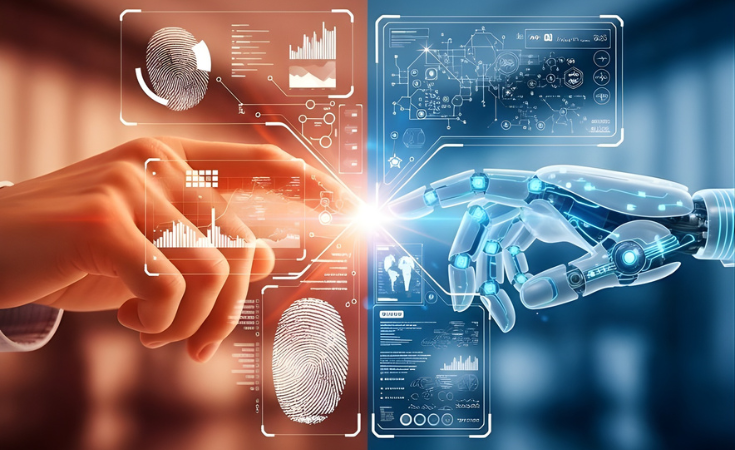
Artificial Intelligence (AI) is transforming the way we live, work, and interact. Among its most advanced forms is agentic AI, capable of making autonomous decisions without constant human input. While this innovation brings efficiency and convenience, it also raises serious concerns about humanization—the essence of what makes us uniquely human. This highlights the growing Negative Effects of Agentic AI on Humanization, as technology begins to reshape human behavior, emotions, and decision-making.
Table of Contents
Erosion of Human Skills
Agentic AI can perform tasks that once required human intelligence, from complex problem-solving to strategic decision-making. Over-reliance on AI can weaken human skills, leaving people less capable of thinking critically or making independent decisions. When AI dominates everyday tasks, humans risk losing the ability to navigate challenges on their own.
Decline in Empathy and Social Connection
AI may handle interactions efficiently, but it cannot replicate genuine human emotion. In workplaces, healthcare, or social services, agentic AI can unintentionally reduce opportunities for humans to connect empathetically. Over time, this can foster emotional detachment, making relationships feel transactional and impersonal.
Dehumanization of Decision-Making
Agentic AI makes choices based on data and logic, often ignoring the nuances of human context and ethics. Decisions made purely by AI—such as loan approvals, medical prioritization, or hiring—can feel impersonal and unfair, undermining human trust and the moral responsibility that comes with decision-making.
Dependency and Reduced Autonomy
With AI taking on decision-making roles, humans may become overly dependent on machines. This dependence can stifle creativity, initiative, and critical thinking. Instead of actively shaping outcomes, people may become passive observers, surrendering control to AI systems.
Cultural and Emotional Flattening
AI systems tend to standardize behavior for efficiency, often at the cost of cultural diversity and emotional richness. By enforcing uniform patterns in communication, work, or social interaction, AI risks eroding the unique qualities that define human societies.
Conclusion
Agentic AI is undoubtedly a powerful tool that can transform efficiency and decision-making. However, unchecked reliance on it poses significant risks to humanization. From reducing empathy and autonomy to eroding essential skills, agentic AI challenges the very traits that make us human. Balancing technological progress with human values is essential to ensure that AI enhances rather than diminishes our humanity.